5 that引导并列宾语从句和主语从句
1. 通常说,当一个动词带有两个或两个以上宾语从句时,此时第一个that可以省略,第二个that不可以省略。有如下句子:
I realized that learning didn’t have to be a solo effort and that working with other people could be much more stimulating.
但突然想到,这里是否能把learning didn’t have to be a solo effort and working with other people could be much more stimulating看成1个整体?这样的话,岂不是只要1个that就可以了吗?
2. 产生这样的疑惑,是因为同篇文章还有这么一个主语从句:
It soon dawned on me that many university professors are quite willing to share what they know, and they do take a genuine interest in their students’ intellectual development.
类比宾语从句的话,为什么这里and的后面没有加上that呢?并列主语从句,两个that不是应该都写出来吗?如:
It is said that there has been an earthquake in Japan and that about 300 people have been killed.
最佳答案 2026-06-16 08:47
这主要是语法问题,但与语义和语体(register)也有一定关系。
1.在符合语法规范的要求下,并列结构的第二个(及此后的)分句需要用that引导,一般不可省略。如果不用连词that,句子结构产生歧义。例如:
I know (that) he's cheating and I can't do anything about it.
Quirk认为这是一个有结构性歧义(Structural ambiguity)的句子,可能产生的解读有两种:
(1)I can't do anything about it与(that) he's cheating并列,均为I know的补足语(宾语)。为了让明确这一点,需要在第2个分句前添加连词that,写成:
I know (that) he's cheating and that I can't do anything about it.
(注:第二个分句只要有that,就可以表明与前一分句并列,即使and前有逗号。例如: Note that adjectives are placed after the indefinite pronoun rather than in front of it, and that you do not use a determiner-CCEG)
(2)I can't do anything about it与I know (that) he's cheating并列。但如果不对现有句子重新措辞,则无法确认这一解读。因此,通常须在两句之间添加标点符号,最好是分号。更明确的办法是把and省略(或替换成however)。例如:
I know that he's cheating; (however) I can't do anything about it. (CGOEL)
如此,则 I can't do anything about it完全脱离了I know的控制,成为与主句并列的独立句子。
因此,从语法规范性的角度看,把两个并列的宾语从句视为一体而将第二个that省略的做法通常不可行。这是主流英语语法共识。
2.在脱离上述并列结构的一般性用法中,非正式语体常省略连词that,正式语体通常保留。这是确定是否省略that的若干因素之一。受这一因素的影响,在并列结构中,第二个that省略的情况在非正式语体中有可能出现。但前提是:从语义就能判断并列结构处于从句层级而非主句层级。而非正式语体通常句式简短、语义明确,通常具有省略第二个that而不被误读的条件。例如:It is possible that you are right and I am wrong. 如此短小又意义自明的句子在and后再用一个that就极不自然了。
3.关于It soon dawned on me that many university professors are quite willing to share what they know, and they do take a genuine interest in their students’ intellectual development.
首先是这个句子的句源是否靠谱。看上去是一个本科生的毕业感想,英语用法不规范的可能性是存在的。严格地说,and they do take a genuine interest in their students’ intellectual development会被视为与主分句并列,而非与前面的that从句并列。这也就是说 many university professors are quite willing to share what they know(教授们愿意分享知识)是作者当时的认识,而they do take a genuine interest in their students’ intellectual development(他们关注学生的智力发展)则陈述了一个客观事实。
如果坚持they do take a genuine interest in their students’ intellectual development的语义已经明确与前面的that从句并列,所以that被省略。我认为无论从语法、语义还是语体角度看,都颇为牵强。
仅供参考。

如果觉得我的回答对您有用,请随意打赏。你的支持将鼓励我继续创作!

其它 1 个回答

我是这样理解的:网友的问题2使用一个that,是因为说话人所表达的并列从句表示一个意群,前后相辅相成,此句中如果在and后加上that也不算错,也不会产生歧义,仅是同时强调第二个从句的内容。请看几个外刊例句:


It has dawned on me that there are many trees and shrubs which as well as being attractive are also useful,and most of the plans I have for planting in the more formal parts of the garden now concern walnuts, mulberries, cherries...
Now it has dawned on me that they have to rely on themselves and that the one thing I can offer them is my true feelings.
如果觉得我的回答对您有用,请随意打赏。你的支持将鼓励我继续创作!

-
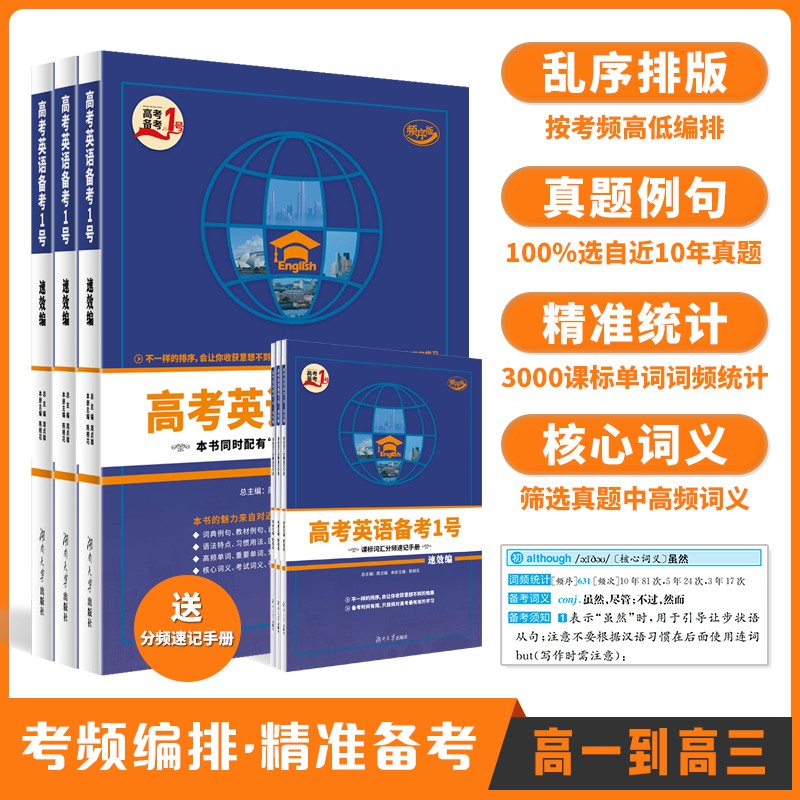 《高考英语备考1号·速效编》
-
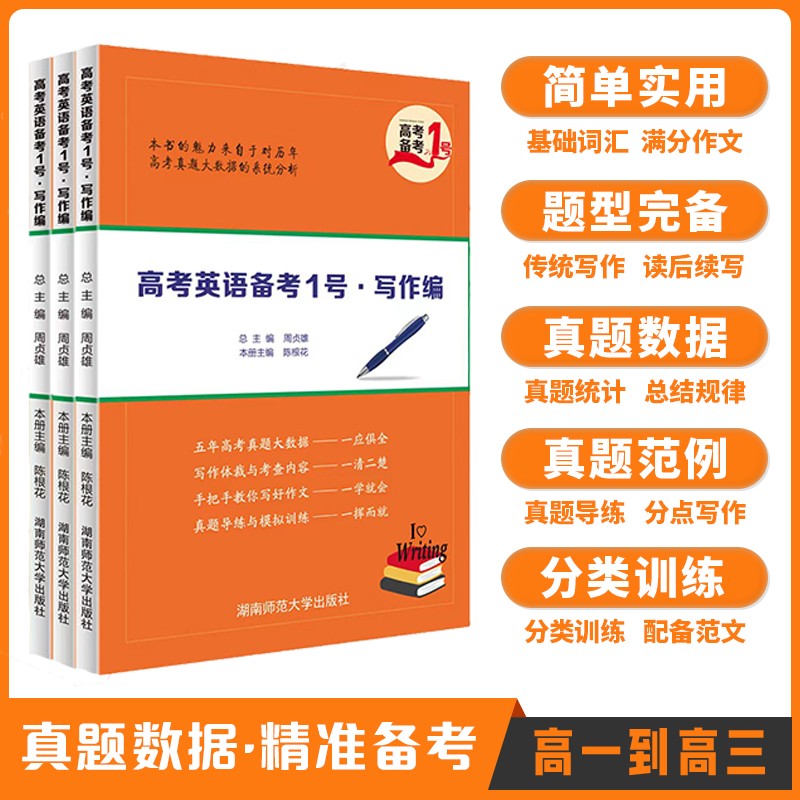 《高考英语备考1号·写作编》
-
 《高中英语晨读晚记》
-
 《高中英语错题笔记》
-
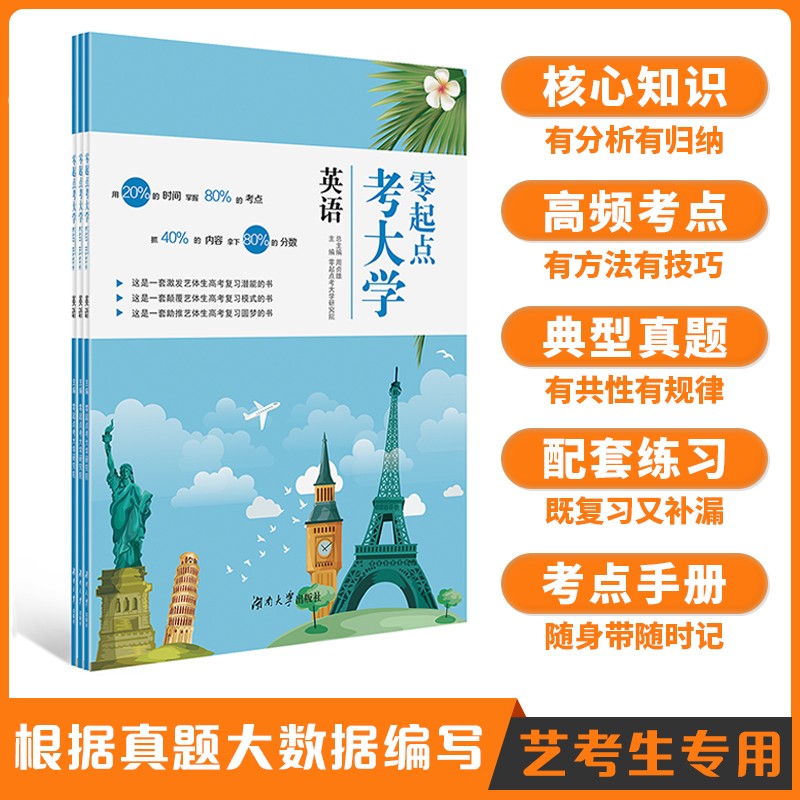 《零起点考大学英语》
-