如何理解动词短语中的小品词
1. 请问小品词是什么?
2. 动词搭配很多,我们怎么才能知道,这个动词后的小词是介词还是副词?因为他们好像两种词性都有,所以学生看不出~!
3. 请问老师,短语动词和动词短语是一回事儿吗?十分感谢?
题外话:在线答疑的网站现在不少,我是语法网老用户,希望得到快速准确的答疑服务,因此我深深的感到只说谢谢二字是远远不够的,所以希望可以了解会员等级制度,我愿意成为付费用户进而得到更好的回答同时也希望老师们的答疑有所回报~!祝老师们马年行大运,网站一马平川~!
最佳答案 2014-02-06 09:43
您好!我是本站管理员,对您的问题试着回答如下,希望对您有所帮助!不妥之处请各位朋友指正!
一、关于小品词的理解
1. 根据 Longman English Grammar (by L. G. Alexander) ,其中第7.3.4节有如下说明:
Certain words, such as in, off, up, function either as prepositions or as adverb particles. When such words are followed by an object, they function as prepositions; when there is no object, they are adverb particles:
preposition: The children are in the house.
adverb: The children have just gone in.
此段文字大意为:
有些词,例如 in, off, up, 既可以起介词的作用,也可起副词小品词的作用。这样的词后面有宾语,就起介词作用,没有宾语,就是副词小品词:
介词:The children are in the house. 孩子们在房子里。
副词:The children have just gone in. 孩子们刚进去。
2. 该书的8.4.1节有如下说明:
Words that can be used as prepositions or adverb particles Some words function both as prepositions and as adverb particles.
When they are followed by an object, they function as prepositions:
We drove round the city (round + object = preposition)
When no object is stated,these words function as adverb particles.(even if an object is implied):
We drove round. (no object = adverb particle)
Unlike prepositions, adverb particles are stressed in speech.
此段文字大意为:
有些词可以起介词的作用,也可以起副词小品词的作用。
其后跟宾语时,它们起介词的作用:
We drove round the city。我们开车在城里转。 (round有宾语,是介词)
其后没有宾语时,它们则起副词小品词的作用 (甚至暗含有宾语时亦如此)
We drove round. 我们开车转。 (round无宾语,是副词小品词)
副词小品词与介词不同,它在讲话中要重读。
3.《麦克米伦高阶英语词典》的Language Awareness中的Phrasal Verbs有这样一个说明:
A PHRASAL VERB is a verb formed from two (sometimes three) parts: a verb and an adverb or preposition. Most are formed from a small number of common verbs (such as get, go, come, put, and set) and a small number of adverbs and prepositions (such as away, out, off, up, and in). These adverbs and prepositions are often called particles.
此段文字大意为:
短语动词是由两个(有时为三个)部分构成的动词:动词和副词或介词。大多数是由少数的常见动词(如get, go, come, put 和set) 和少数的副词和介词(如away, out, off, up 和in)构成。这些副词和介词常称为小品词。
4. 约翰•辛克莱著《英语语法大全》(翻译版)第381页有如下说明:
像 in, up 这类既用作副词又用作介词的地点副词,有时被称为副词小品词(adverb, particles)或状语性小品词(adverbial particles)。下表列出的是表示位置的副词,同时也可用作介词:
aboard, below, down, off, throughout, about, beneath, in, opposite, underneath, above, beside, in, between, outside, up, alongside, beyond, inside, over, behind, close, by, near, round
二、关于短语动词与动词短语的区别
请参考“英语语法网”的以下文章:
《英语的短语动词与动词短语有何区别》
http://www.yygrammar.com/Article/201004/1535.html
三、关于收费
本站对用户朋友的提问完全免费,而且不仅完全免费,本站还会给那些为用户朋友解答问题有突出贡献的老师赠送鲜花(鲜花是有价的,可以在本站兑换礼品,目前提供的礼品是英语工具书,以后还会提供更多的兑换选择,包括手机等电子产品)。
本站目前还属试运行,系统还在完善中,到时会允许用户购买鲜花赠送给那些辛辛苦苦为我们的用户朋友义务解答疑难问题的可亲可敬的老师们、专家们。
- 1 关注
- 3 收藏,15030 浏览
- 杨晓北 提出于 2014-02-06 06:23
相似问题
-
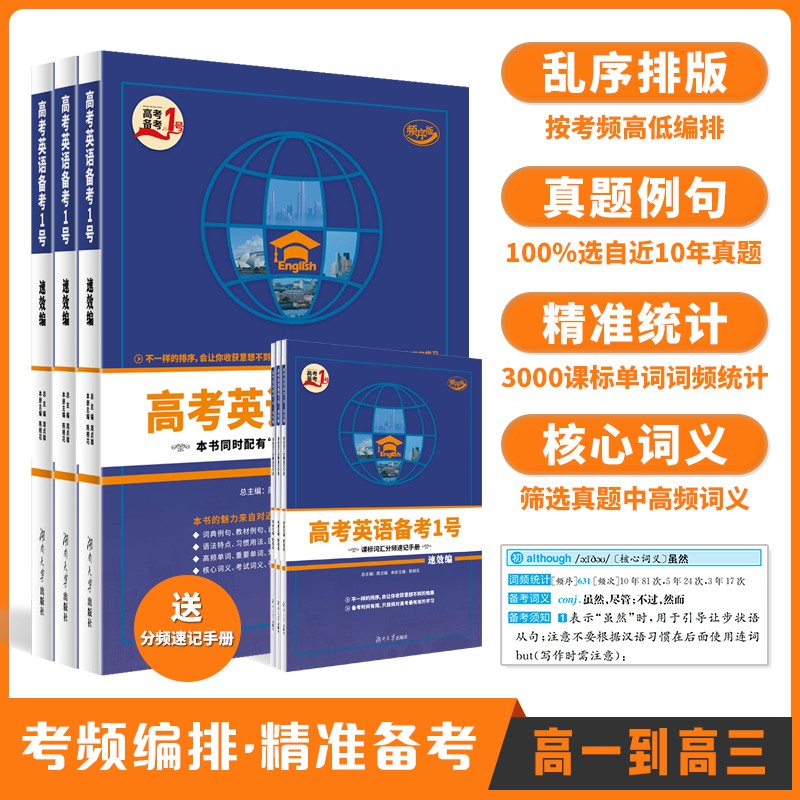 《高考英语备考1号·速效编》
-
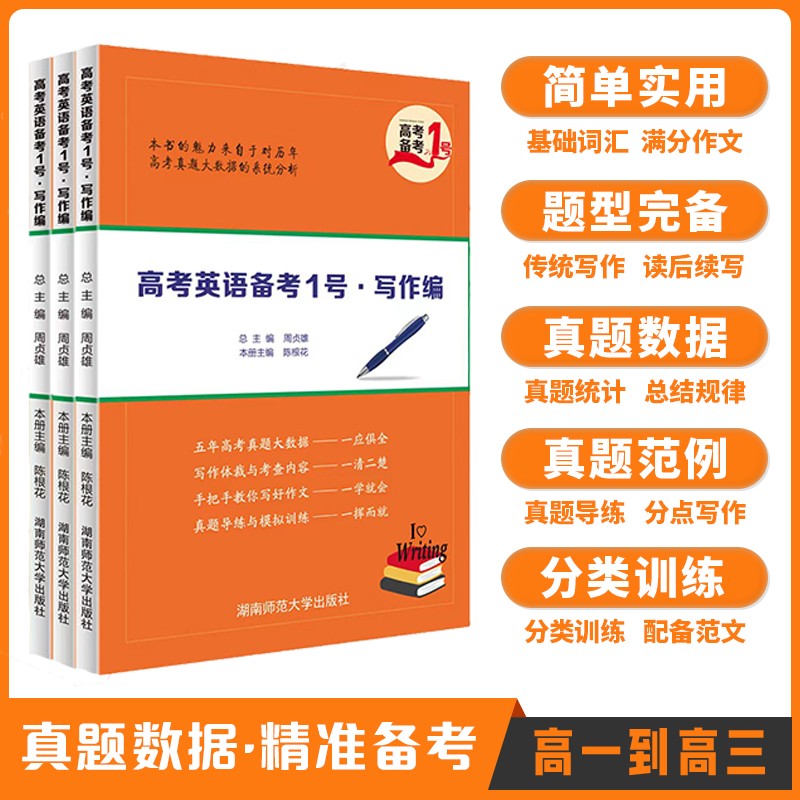 《高考英语备考1号·写作编》
-
 《高中英语晨读晚记》
-
 《高中英语错题笔记》
-
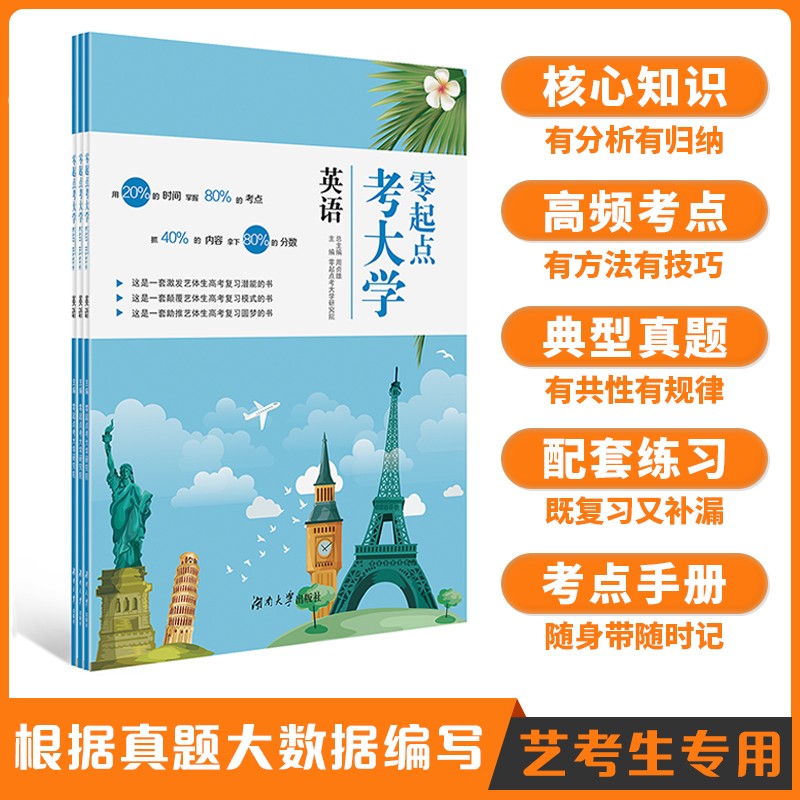 《零起点考大学英语》
-